Be The Change
The Unglamor of Good
If you're looking for glamor, doing the most good for people and the planet may not be the place to find it.

If you're looking for glamor, doing the most good for people and the planet may not be the place to find it.
My early poems aspired to Keats and Blake; were about magic, dreams, and heartbreak. Most rhymed, were trite, and told more than showed; rolled off the tongue, no taste of the acid down below.
Tonight I'll dream that a colony of ants has dragged me out to sea, where I discover my belongings and I have become so much flotsam and jetsam.
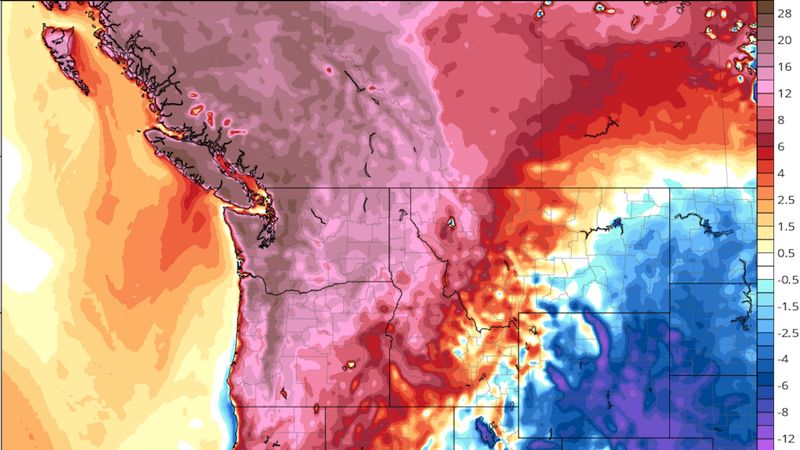
I want to smash a violin on the tree it was made from. To soak up the blood of martyrs with my eyes, die a glorious death and live on, weeping, sweating blood. It's 118 in Siberia.
I had a dream where from an impossible height I took in all the splendor and all the pain we’ve learned to live with.
Changing the language we use when speaking about injustice does not, in and of itself, overturn the injustice.
What is left after the groceries are put away? Dishes on the drying rack, nothing to clean: all is as it should be, or so they say.
I see no headstones, nothing to mark a life, to reveal who the corpse belonged to. Was it held hostage, a bouquet torn from the branch bleeding into its vase?
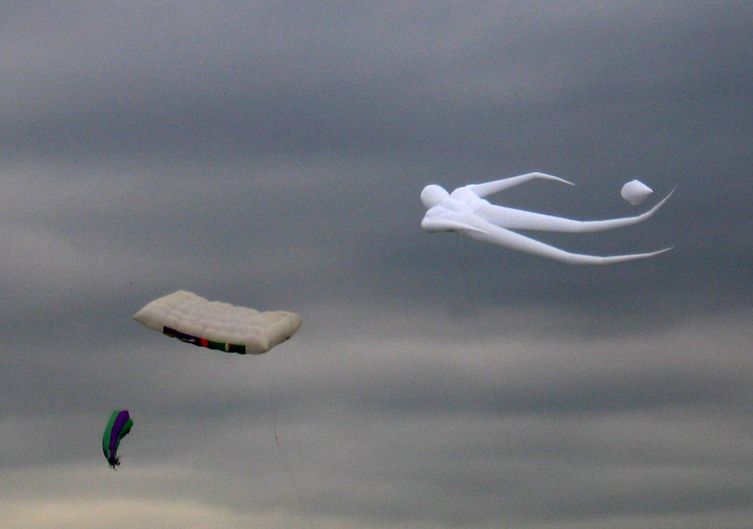
In this white-capped wind / a kite can fly a lifetime / never touching earth
Sometimes, taking a break from the news and work, I’ll spot the collected works of this or that poet and, for a moment, have context for despair.
On a drizzly morning walk I stopped to let a hearse go by, its pitch-black paint sweating polish, and as I waited for the procession I thought about who profits from tragedy, the business of loss, and who profits no matter what,
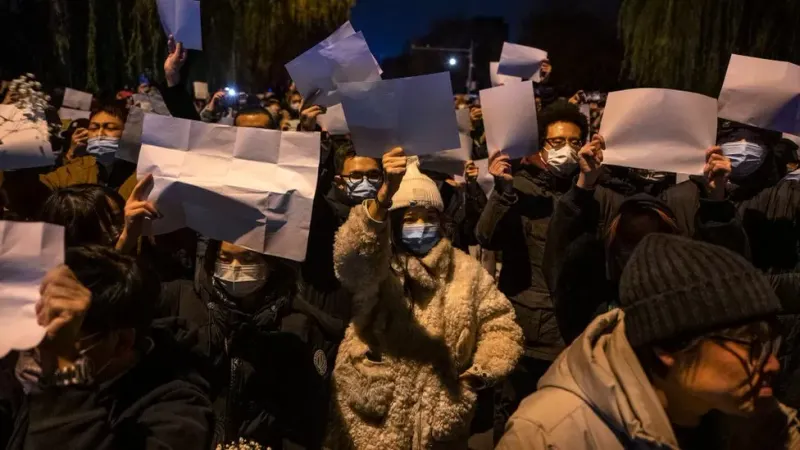
In Xinjiang, 7,000-miles away, a morning sun, reflecting off the glasses of early risers, the windshields of commuters, is so bright as to redact last night’s graffiti: Down with Xi.